
Checking Your Moles: The ABCDE Guide to Skin Cancer Signs
Melanoma is far easier to treat when it is caught early, and you are well placed to spot it. Here is how to check your skin in ten minutes a month.
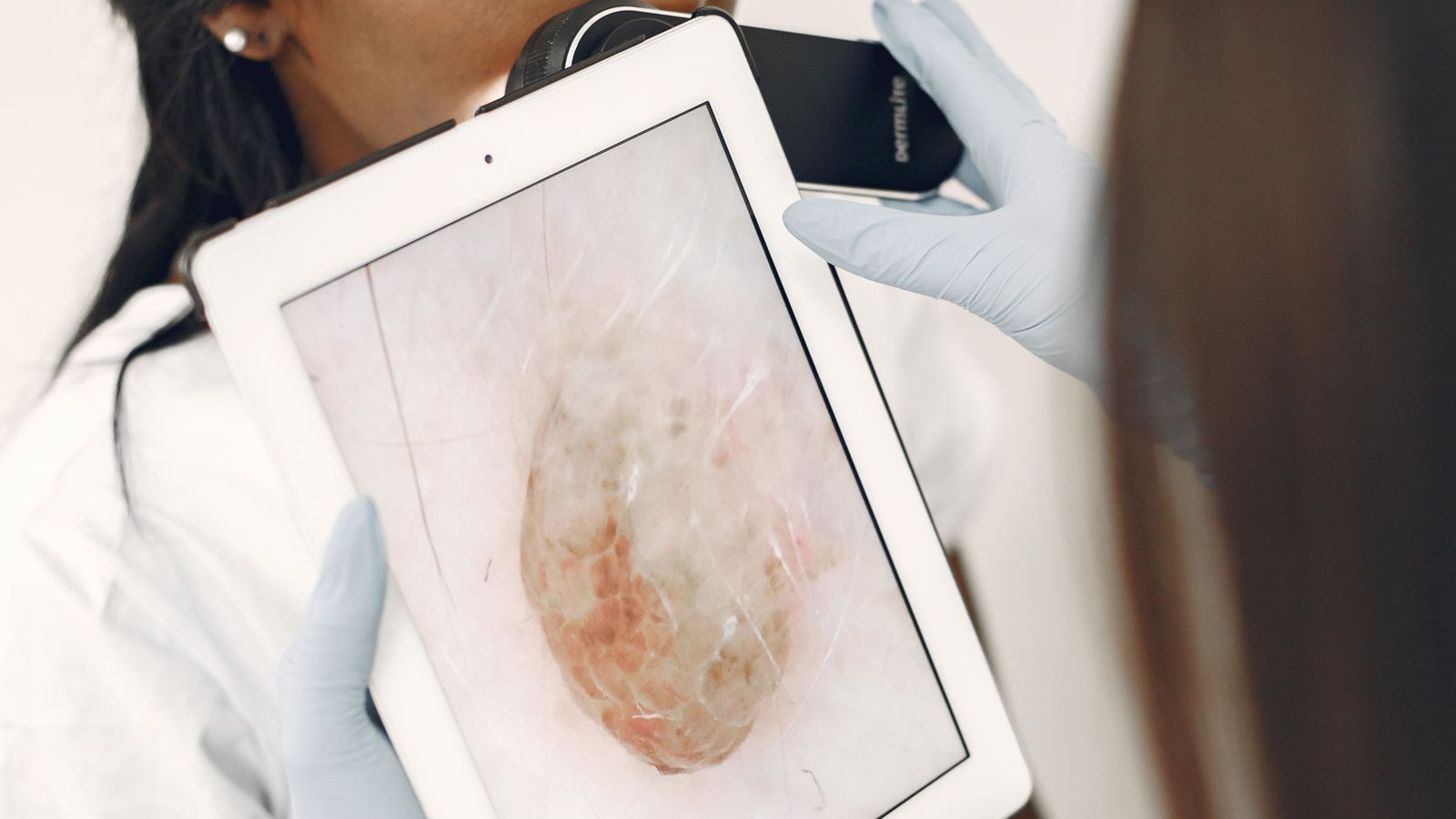
Photo: Pexels
Key takeaways
- Check your skin once a month, including your back, scalp, soles and between your toes.
- Use ABCDE: Asymmetry, Border, Colour, Diameter and Evolving (changing).
- Any new, changing, bleeding or unusual spot — the “ugly duckling” — should be checked by a doctor.
- Daily sun protection and avoiding sunbeds reduce your risk.
Most moles are harmless. But melanoma — the most serious type of skin cancer — often starts as a new or changing mole, and it is much easier to treat when found early.2 A simple monthly self-check is one of the most useful health habits you can build.
The ABCDE rule
Dermatologists use five warning signs to help spot melanoma:1
- A — Asymmetry: one half does not match the other.
- B — Border: the edges are irregular, ragged, notched or blurred.
- C — Colour: uneven colour, with shades of brown, black, or patches of pink, red, white or blue.
- D — Diameter: larger than about 6 mm (the size of a pencil eraser), although melanomas can be smaller.
- E — Evolving: any change in size, shape, colour or height, or new symptoms such as itching, crusting or bleeding.
“E” is the most important. A mole that is changing deserves attention.
The “ugly duckling” sign
Most of your moles tend to look alike. A spot that looks different from the others — darker, larger, or a different shape — is worth getting checked, even if it does not tick every ABCDE box.3
How to do a monthly self-check
- Use a full-length mirror and a hand mirror in good light.
- Check your face, ears, neck and scalp (use a hairdryer or ask someone to help).
- Check your arms, palms, nails and between your fingers.
- Check your chest, under your breasts, and your abdomen.
- Check your back, buttocks and the backs of your legs with the hand mirror.
- Check your feet, soles and between your toes.
Taking photos on your phone each month makes it easier to spot changes.
Ten minutes a month, a good light and a mirror. That is all it takes.
When to see a doctor
See your doctor promptly if you notice a new mole, a mole that is changing, or any spot that bleeds, itches, crusts or does not heal. Non-melanoma skin cancers can also look like a sore that does not heal, or a shiny, pearly or scaly lump.2
Lower your risk
Use broad-spectrum sunscreen, seek shade in the middle of the day, cover up with clothing, hats and sunglasses, and avoid sunbeds.
Sources
- American Academy of Dermatology. What to look for: ABCDEs of melanoma. aad.org.
- NHS. Melanoma skin cancer: symptoms. nhs.uk.
- Skin Cancer Foundation. Early detection and self-exams. skincancer.org.