
Why You Wake at 3am in Perimenopause — and How to Fix It
Falling asleep is fine; staying asleep is the problem. Night sweats, hormones, anxiety and the bladder all play a part. Here is what is going on and what genuinely helps.
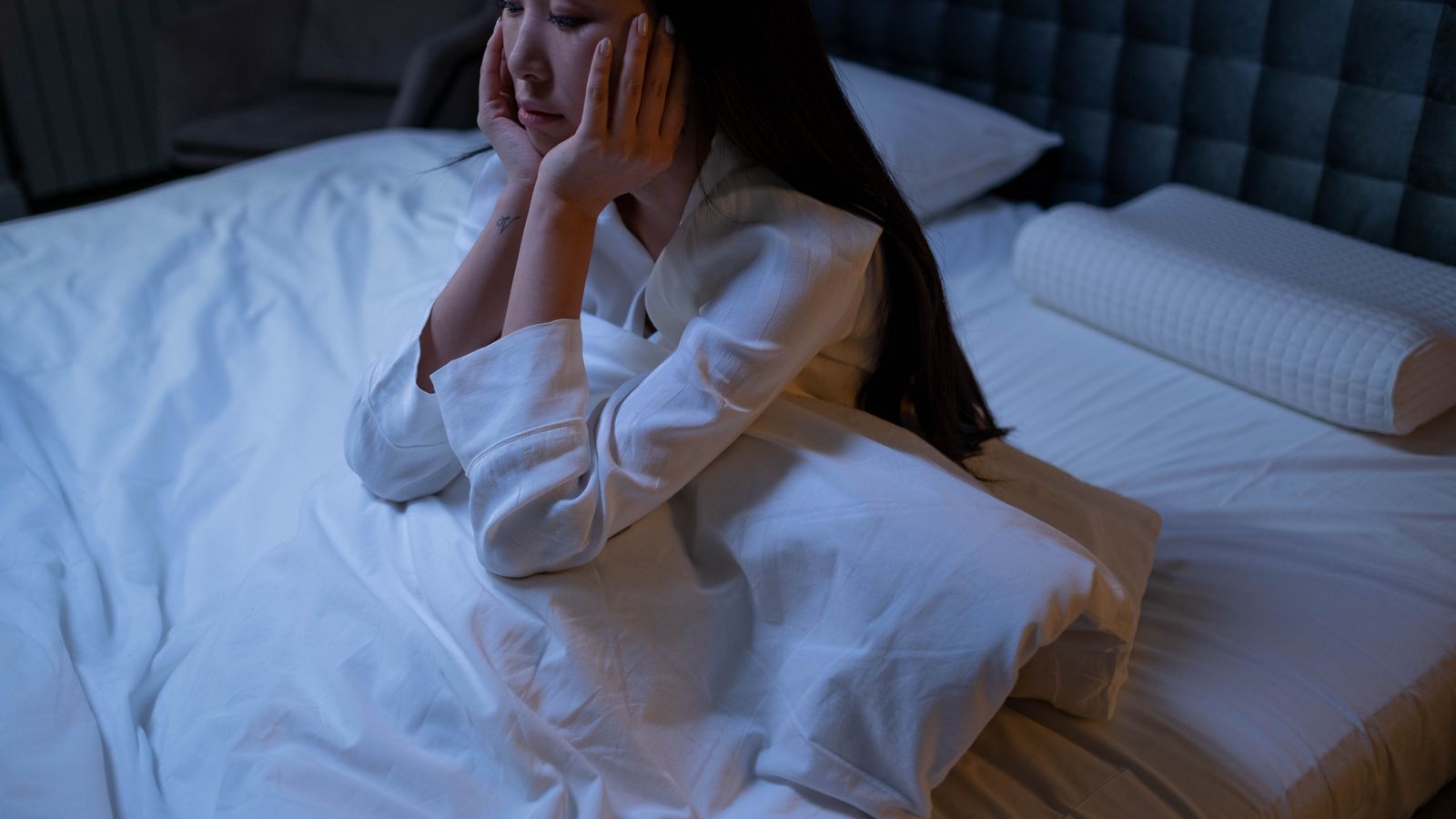
Photo: Pexels
Key takeaways
- Sleep problems are among the most common symptoms of perimenopause and menopause.
- Night sweats, falling oestrogen and progesterone, anxiety and needing the toilet can all cause early waking.
- CBT for insomnia (CBT-I) is the most effective long-term treatment for insomnia and works in menopause too.
- If night sweats are waking you, HRT may help; talk to your doctor.
You fall asleep easily, then wake at 3am wide awake, hot, and with your mind racing. It is one of the most common complaints in perimenopause — and one of the most draining. Studies suggest sleep problems become more common through the menopausal transition.4
Why it happens
- Night sweats. A hot flush at night often wakes you, even if you do not remember feeling hot.
- Hormones. Oestrogen and progesterone influence body temperature and sleep. Progesterone has a mildly calming effect, and its fall may make sleep lighter.
- Anxiety and low mood, which are themselves more common in perimenopause.
- Needing to urinate at night.
- Snoring and sleep apnoea, which become more common in women after menopause.4
What helps
CBT for insomnia (CBT-I). This structured programme — available through doctors, therapists and online — helps reset sleep patterns and reduce the anxiety around not sleeping. A clinical trial in women with menopausal hot flushes found it improved insomnia significantly.3 Guidelines also recommend CBT for menopausal sleep problems and hot flushes.2
Treat the night sweats. If night sweats are waking you, HRT is the most effective treatment, and many women find their sleep improves.2 See HRT explained.
Keep cool. A cooler bedroom, light layers, breathable bedding and a fan by the bed.
Lying awake trying to sleep makes insomnia worse. If you have been awake for around 20 minutes, get up, do something calm in dim light, and go back when sleepy.
Habits that support sleep
- Keep a regular wake-up time, even at weekends.
- Get daylight in the morning.
- Limit caffeine after midday and keep alcohol low — it can trigger hot flushes and fragment sleep.
- Exercise regularly, but not right before bed.
- Keep your phone out of reach at night.
What about supplements?
Evidence for herbal remedies such as black cohosh and valerian is mixed, and quality varies. Some interact with medicines. Check with a pharmacist or doctor first.1
When to see a doctor
See your doctor if poor sleep is affecting your daily life, if you snore loudly or wake gasping (possible sleep apnoea), or if you have persistent low mood. For more on why sleep matters for skin too, read sleep and your skin.
Sources
- NHS. Menopause: symptoms and things you can do. nhs.uk.
- NICE. Menopause: identification and management (NG23), updated 2024. nice.org.uk.
- McCurry SM, et al. Telephone-based cognitive behavioral therapy for insomnia in perimenopausal and postmenopausal women with vasomotor symptoms. JAMA Internal Medicine. 2016;176(7):913–920.
- Baker FC, et al. Sleep and sleep disorders in the menopausal transition. Sleep Medicine Clinics. 2018;13(3):443–456.