
Adult Acne in Women: Why It Happens and What Works
Spots are not just a teenage problem. Many women get acne for the first time — or again — in their twenties, thirties and forties. Here is what drives it and which treatments have evidence.
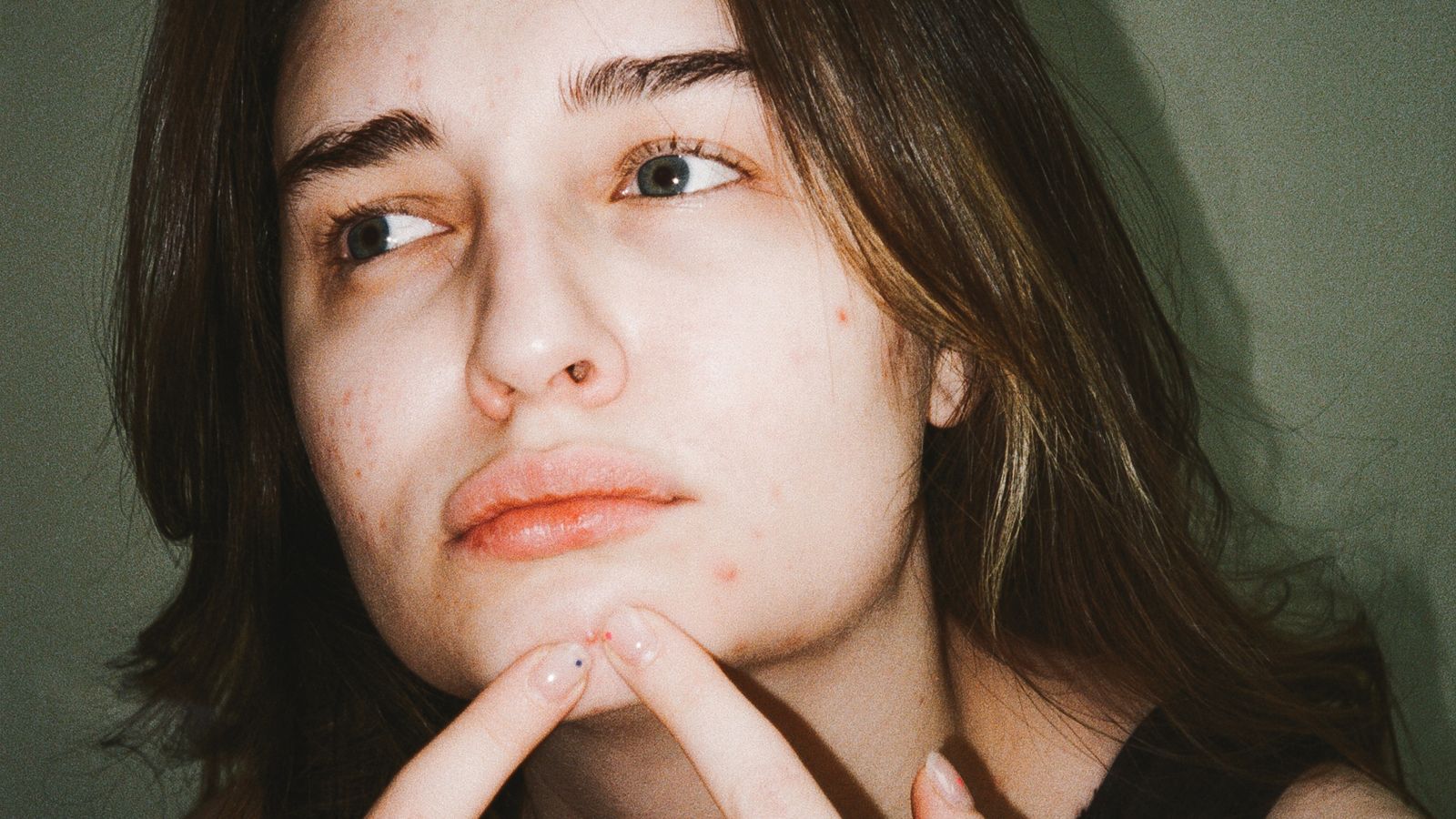
Photo: Pexels
Key takeaways
- Adult acne is common in women and often appears around the jawline, chin and neck.
- Hormones, genetics, stress and some skincare or hair products can all play a part.
- Over-the-counter options include benzoyl peroxide, adapalene, azelaic acid and salicylic acid; give each treatment at least 8–12 weeks.
- See a doctor for painful, deep or scarring acne, or if acne comes with irregular periods or excess hair growth.
If you thought you had left spots behind at school, adult acne can feel especially unfair. But it is common: dermatologists see many women whose acne starts or returns after the age of 25.1
What adult acne looks like
Adult acne in women often appears on the lower face — the jawline, chin and neck — and may flare before a period. It can include blackheads and whiteheads, red spots, and deeper, tender lumps.1
Why it happens
Acne develops when pores become blocked with oil and dead skin cells, and bacteria and inflammation follow. In adults, common contributors include:1
- Hormonal changes around periods, pregnancy, perimenopause, or starting or stopping some contraceptives.
- Polycystic ovary syndrome (PCOS), which can also cause irregular periods and excess hair.
- Stress, which can trigger flares.
- Family history.
- Products — heavy creams, oily hair products and some make-up can block pores. Look for “non-comedogenic” or “won’t clog pores”.
- Some medicines, such as certain steroids.
Treatments with evidence
Most guidelines recommend combining treatments that tackle different causes.3
- Benzoyl peroxide reduces acne bacteria and inflammation. It can bleach fabrics.
- Topical retinoids such as adapalene unblock pores. Adapalene is available without prescription in some countries. See our guide to retinoids.
- Azelaic acid helps with spots and with the dark marks acne can leave behind.
- Salicylic acid helps clear blackheads and whiteheads.
Most acne treatments take 8 to 12 weeks to show results. Changing products every fortnight is the most common reason they “don’t work”.
Prescription options
If over-the-counter care is not enough, a doctor may suggest prescription creams, antibiotic tablets (used with topical treatments and for a limited time), certain combined contraceptive pills, or a medicine called spironolactone, which is used for hormonal acne in women in some countries. For severe or scarring acne, a dermatologist may recommend isotretinoin, which needs careful monitoring and strict pregnancy prevention.24
Everyday habits that help
- Wash twice a day with a gentle cleanser; scrubbing makes acne worse.
- Do not pick or squeeze spots, which increases the risk of scars and marks.
- Moisturise — many acne treatments are drying.
- Use a non-comedogenic sunscreen, especially with retinoids.
When to see a doctor
See your doctor if your acne is painful, deep or leaving scars, if it is affecting your mood, or if it comes with irregular periods, thinning scalp hair or extra facial hair, which can be signs of PCOS.2
Sources
- American Academy of Dermatology. Adult acne: causes and treatment. aad.org.
- NHS. Acne. nhs.uk.
- Reynolds RV, et al. Guidelines of care for the management of acne vulgaris. Journal of the American Academy of Dermatology. 2024;90(5):1006.e1–1006.e30.
- NICE. Acne vulgaris: management (NG198). nice.org.uk.