
How to Choose a Foundation That Doesn’t Settle Into Lines
The foundation you loved at 30 may suddenly look heavy, dry or creased. It is not you — your skin has changed. Here is how to choose a formula, shade and technique that work with mature skin.
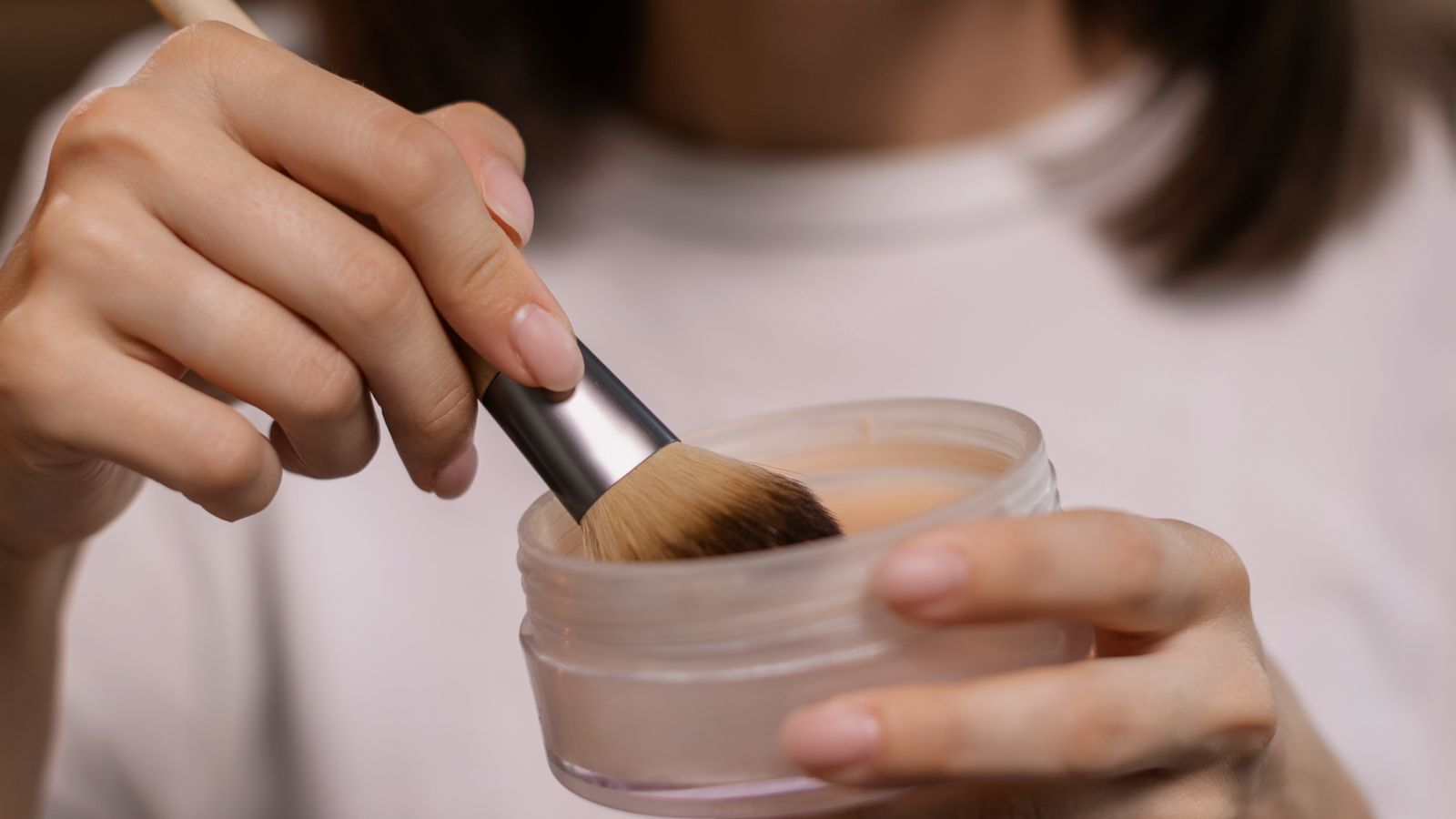
Photo: Pexels
Key takeaways
- Prep matters most: well-moisturised skin lets foundation sit smoothly.
- Choose light-to-medium coverage, hydrating or satin finishes; very matte formulas often emphasise lines and dry patches.
- Use less product, apply it where you need it, and press rather than drag.
- Re-test your shade — skin tone can change with age and sun exposure.
As skin matures, it tends to become drier and thinner, and fine lines become more visible. A thick, matte foundation can sit on top of dry patches and gather in creases within an hour. The good news is that a few changes in product choice and technique make a big difference.
1. Start with the skin
Foundation looks best on hydrated skin. Moisturise after cleansing, ideally a few minutes before make-up, so the cream has time to sink in.1 If your skin is very dry, a hydrating primer can help. Use sunscreen under foundation during the day.
2. Pick the right formula
- Finish: satin, radiant or “skin-like” finishes usually flatter mature skin more than very matte ones.
- Coverage: light-to-medium, buildable coverage looks more natural. Use concealer for spots that need more.
- Texture: fluid, serum or cream formulas tend to move better with the skin than thick or powder foundations.
- Skin tints and tinted moisturisers are a good option for days when you want very little.
You need less foundation than you think. Fine lines catch excess product, not foundation itself.
3. Find your shade again
Skin tone can change over the years — sun damage, pigmentation and redness all shift it. Test shades on your jawline in daylight, not on your hand. Match your neck and chest so your face does not look like a mask. Many people find that a shade with the right undertone (warm, cool or neutral) matters more than lightness.
4. Apply with care
- Start with a small amount in the centre of the face, where redness tends to be.
- Blend outwards with a damp sponge or a dense brush, using pressing or stippling movements rather than dragging.
- Go lightly around the eyes and mouth, where lines are most visible.
- Let it settle for a minute, then add more only where needed.
5. Go easy on powder
Powder can make lines more obvious. If you need it, use a fine, translucent powder only where you get shiny — often the centre of the forehead and sides of the nose — and press it in with a small brush or puff.
6. Finish with a mist
A light facial mist or setting spray can melt powder into the skin and make everything look less “made-up”.
When make-up will not sit right
Persistent flaking, redness or stinging can be a sign of a damaged skin barrier or a reaction to an active ingredient. See how to repair your skin barrier. For more ideas, read make-up after 40.
Sources
- American Academy of Dermatology. Dry skin: tips for managing. aad.org.