
Do Expensive Moisturisers Work Better? We Checked the Evidence
A luxury jar can cost twenty times more than a pharmacy cream. Is there anything inside that justifies the price? Here is what the science says about how moisturisers work — and where your money is better spent.
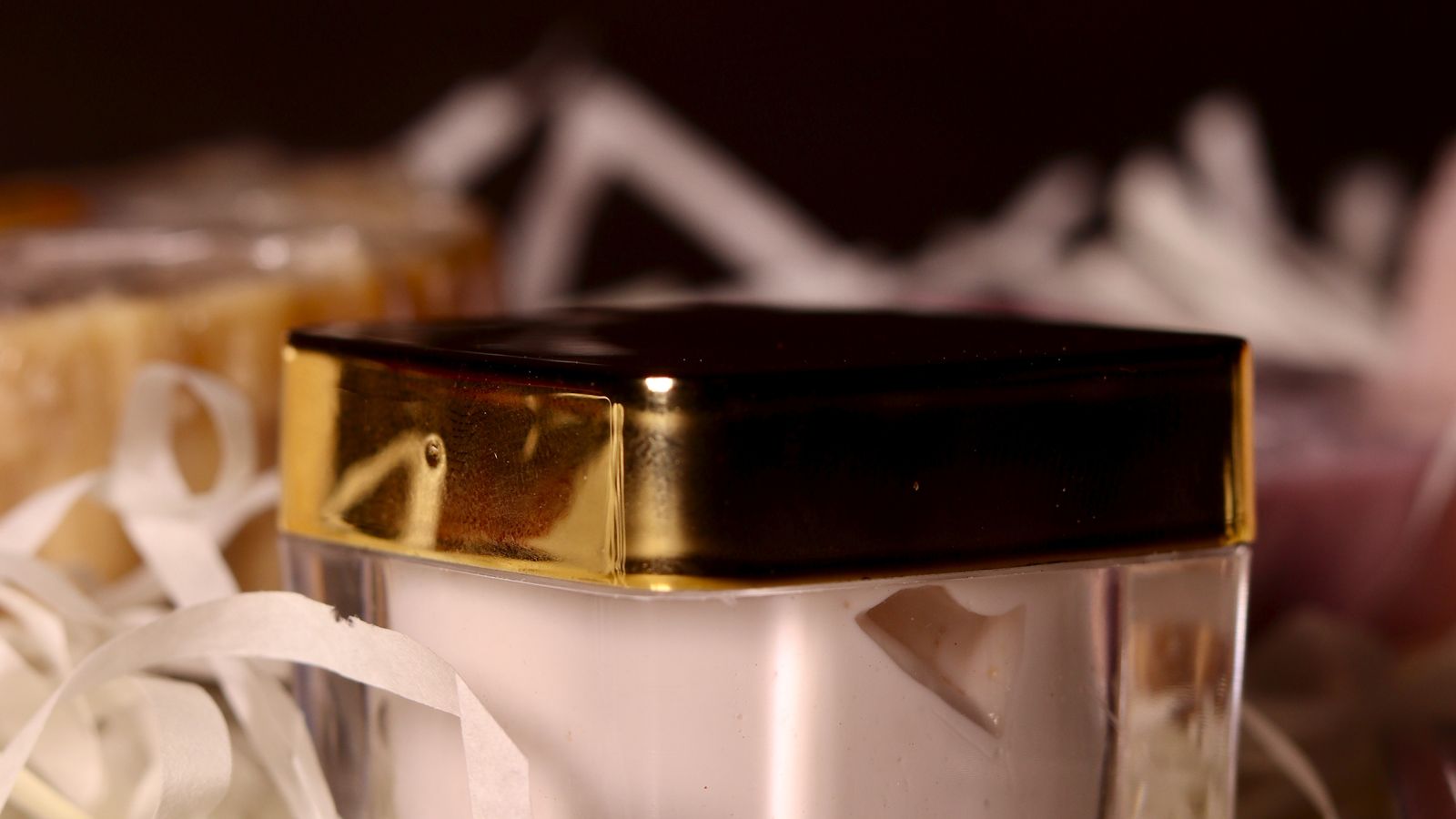
Photo: Pexels
Key takeaways
- All moisturisers work by combining humectants, emollients and occlusives; these ingredients are cheap and widely available.
- Price is driven largely by packaging, fragrance, branding and marketing, not proven effectiveness.
- Simple, fragrance-free moisturisers perform well in dermatology studies.
- Spend on what has the strongest evidence: daily sunscreen and, if you want one, a retinoid.
Walk past any beauty counter and you will see moisturisers at almost every price, from a few pounds to several hundred. The marketing suggests that more money buys more results. The science suggests something simpler.
How moisturisers work
Every moisturiser does the same basic job: it helps the skin hold on to water and supports the skin barrier. It does this with three kinds of ingredients:14
- Humectants draw water into the skin: glycerin, hyaluronic acid, urea.
- Emollients smooth and soften: plant oils, squalane, fatty alcohols.
- Occlusives seal water in: petrolatum, dimethicone, shea butter.
Some also contain ceramides, fats naturally found in the skin barrier. Glycerin, petrolatum and ceramides are among the best-studied ingredients — and none of them is expensive.
What you pay for
In luxury creams, a large part of the price reflects:
- Packaging — heavy glass jars and gold lids.
- Fragrance and texture.
- Branding, marketing and retail costs.
- Signature ingredients — rare extracts or patented complexes, often with little independent research behind them.
The texture and experience of a luxury cream are real pleasures. Proven extra benefits for your skin are much harder to find.
Do cheap creams really perform as well?
Dermatologists routinely recommend inexpensive, fragrance-free moisturisers, especially for dry or sensitive skin.3 A study of best-selling moisturisers found that many — including expensive ones — contained fragrance or other common allergens, and that price did not predict a product being free of them.2
When it is worth paying more
- Formulation quality. Well-made products have elegant textures and stable formulas — this is not exclusive to luxury brands, but some mid-priced brands do it very well.
- Active ingredients such as retinoids or vitamin C, where formulation and packaging (airless, opaque) affect stability.
- You love using it — and so you use it consistently.
Where your money does more
- Sunscreen every day — the most effective anti-ageing product there is. See how much sunscreen you need.
- A retinoid, if your skin tolerates one. See retinol vs. tretinoin.
- A simple, fragrance-free moisturiser suited to your skin type.
If your skin feels tight, stings or flakes no matter what you use, read how to repair your skin barrier.
Sources
- Purnamawati S, et al. The role of moisturizers in addressing various kinds of dermatitis: a review. Clinical Medicine & Research. 2017;15(3-4):75–87.
- Xu S, et al. Consumer preferences, product characteristics, and potentially allergenic ingredients in best-selling moisturizers. JAMA Dermatology. 2017;153(11):1099–1105.
- American Academy of Dermatology. How to choose a moisturizer. aad.org.
- Draelos ZD. The science behind skin care: moisturizers. Journal of Cosmetic Dermatology. 2018;17(2):138–144.