The Health Checks Women Should Have in Their 30s, 40s and 50s
Screening catches problems early, when they are easiest to treat. Programmes differ by country, but the core checks are similar. Here is a decade-by-decade guide to discuss with your doctor.
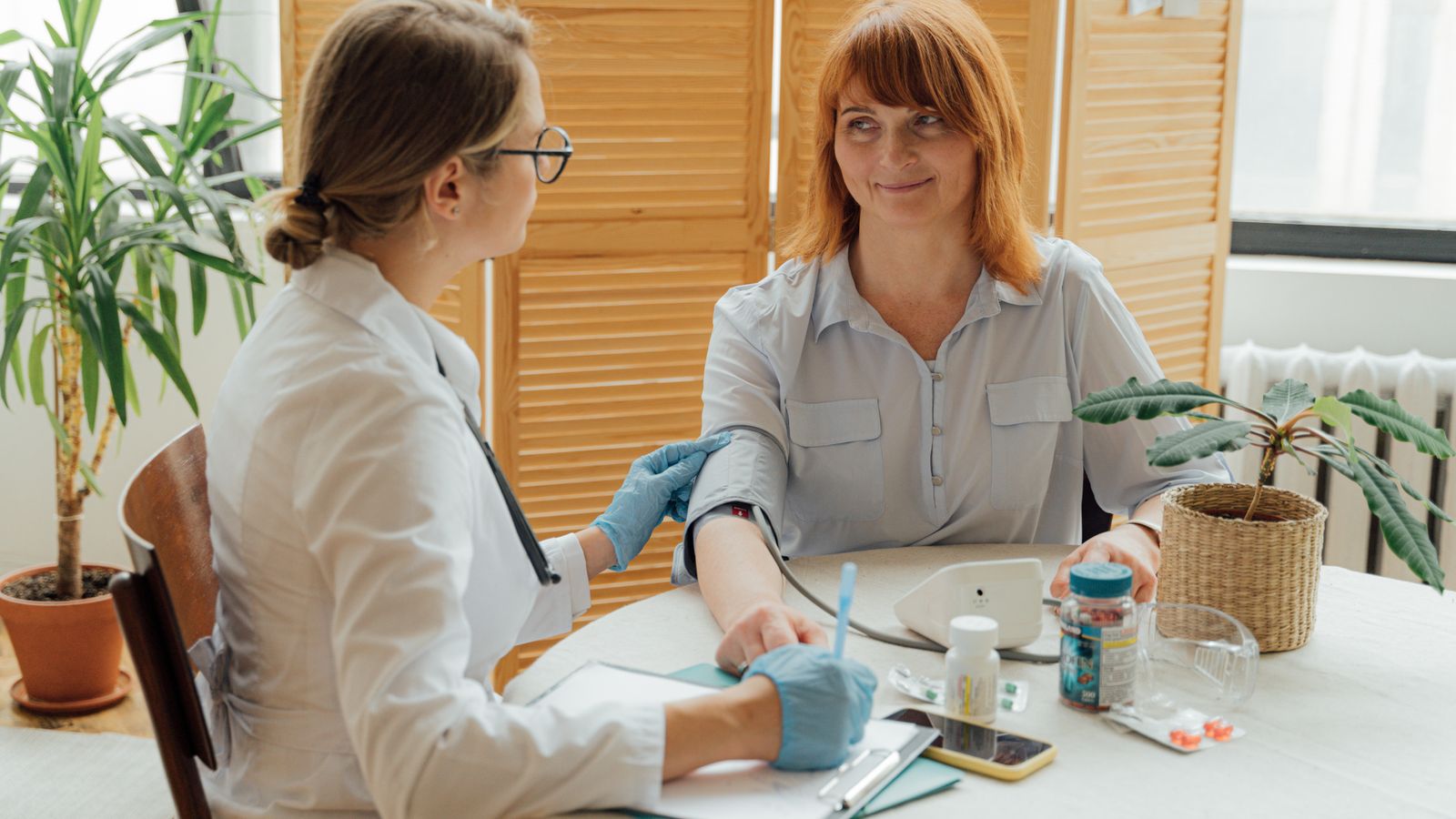
Photo: Pexels
Key takeaways
- Cervical screening, blood pressure checks and skin checks matter from your 20s and 30s.
- From your 40s, add cholesterol and diabetes risk, and start breast screening when your country’s programme invites you.
- From your 50s, bowel cancer screening and bone health become more important.
- Ages and intervals vary by country and by your personal risk — use this as a checklist, not a schedule.
Screening tests look for problems before you notice symptoms. Every country runs its own programmes with slightly different ages and intervals, so the right schedule for you depends on where you live and your family history. Use this guide to make sure nothing important has been missed — then check the details with your doctor.
In your 30s
- Cervical screening. Usually every three to five years, depending on your age, country and whether HPV testing is used. Attend when invited.14
- Blood pressure. At least every five years if normal, more often if raised. High blood pressure has no symptoms.3
- Skin checks. Check your own moles monthly. Read the ABCDE guide.
- Breast awareness. Know what is normal for you and report changes.
- Dental and eye checks, regularly.
In your 40s
Everything above, plus:
- Breast screening. Many countries start mammograms between 40 and 50 — for example, the US recommends every two years from 40, and the UK invites women from 50.31 Ask your doctor sooner if you have a strong family history.
- Cholesterol and diabetes risk. Many health services offer a cardiovascular check from around 40 — in England, the NHS Health Check every five years from 40 to 74.2
- Perimenopause. Talk to your doctor about symptoms. See preparing for a menopause appointment.
- Eyes. Near vision often changes in your 40s; regular eye tests also check for glaucoma.
In your 50s
Everything above, plus:
- Bowel cancer screening. Most programmes offer a home stool test from 45 or 50; some offer colonoscopy.34
- Bone health. Ask about a fracture risk assessment if you have risk factors. See bone health after 40.
- Cervical screening continues until around 64–65 in many programmes.
Screening invitations are easy to put off. Put the next date in your calendar the day you get the result.
At any age, see a doctor about
- a lump or change in your breast;
- bleeding between periods, after sex or after menopause;
- a mole that is new or changing;
- a change in bowel habits or blood in your stools;
- unexplained weight loss or persistent tiredness.
Make your appointment count
Bring a list of questions, your family history (especially of heart disease, cancers and diabetes), and any medicines or supplements you take.
This article is for general information and is not a substitute for advice from a doctor or other qualified health professional. See our medical disclaimer.
Sources
- NHS. NHS screening programmes. nhs.uk.
- NHS. NHS Health Check. nhs.uk.
- US Preventive Services Task Force. Recommendations for primary care practice. uspreventiveservicestaskforce.org.
- European Commission. Council recommendation on strengthening prevention through early detection: cancer screening (2022). health.ec.europa.eu.