Low Iron in Women: Tiredness, Hair Loss and Heavy Periods
Iron deficiency is one of the most common nutritional problems in women, and heavy periods are a leading cause. Here are the signs, the tests, and how to bring your levels back up.
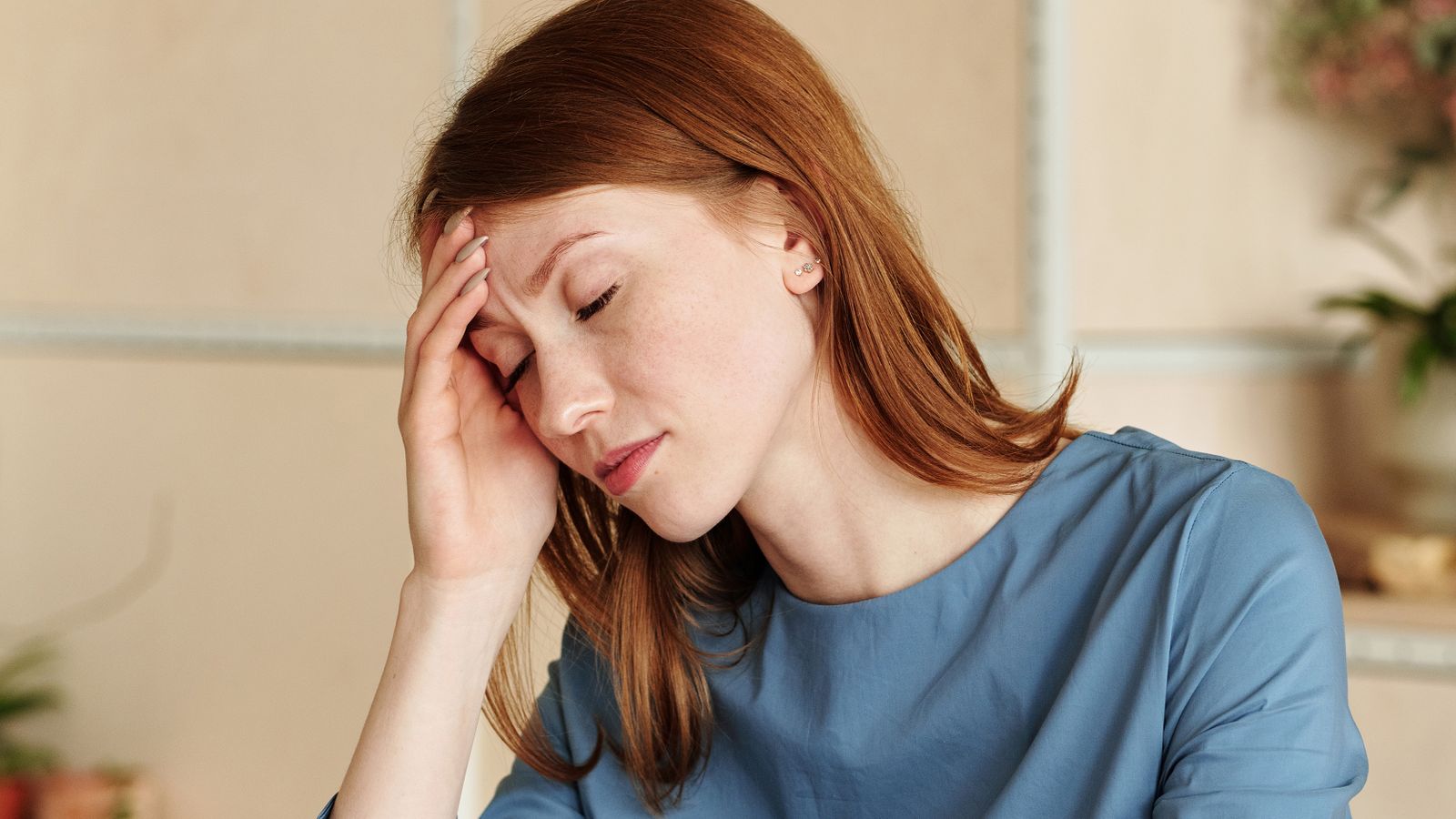
Photo: Pexels
Key takeaways
- Iron deficiency is common in women of reproductive age, mostly because of periods and pregnancy.
- Symptoms include tiredness, breathlessness, pale skin, headaches, hair shedding and feeling cold.
- A blood test (full blood count and ferritin) confirms it; do not take high-dose iron without testing.
- Heavy periods are treatable — and are worth discussing with a doctor in their own right.
Iron is needed to make haemoglobin, the protein in red blood cells that carries oxygen around the body. When iron runs low, you can feel exhausted long before you are formally anaemic.4 Worldwide, anaemia affects an estimated 30% of women aged 15–49, and iron deficiency is its most common cause.1
Why women are at risk
- Heavy periods — the most common cause in women before menopause.2
- Pregnancy, when iron needs rise sharply.
- Diet — low intake of iron-rich foods, including some vegetarian and vegan diets that are not well planned.
- Absorption problems, such as coeliac disease.
- Blood loss from the gut, which must be ruled out, particularly after menopause.
Signs to look out for
- Tiredness and lack of energy
- Shortness of breath and heart palpitations
- Pale skin
- Headaches
- Hair shedding
- Feeling cold, brittle nails
- Unusual cravings, such as chewing ice2
Iron deficiency is one of the causes doctors check for in women with thinning hair.
Getting tested
Ask your doctor for a blood test. A full blood count shows whether you are anaemic, and ferritin reflects your iron stores. Ferritin can be falsely normal if you have inflammation or an infection, so results are interpreted alongside your symptoms.4
Do not start high-dose iron “just in case”. Too much iron can be harmful, and testing first means the cause can be found.
Treatment
If you are iron deficient, your doctor will usually recommend iron tablets. Recent research suggests that taking iron once a day, or on alternate days, may be absorbed as well as more frequent doses, with fewer side effects.4 Common side effects include constipation, stomach upset and dark stools.
To absorb iron better:
- take it with vitamin C (such as orange juice);
- avoid tea, coffee, calcium and antacids within a couple of hours of your dose.
Your doctor will recheck your blood after a few weeks. It usually takes around three months of treatment to refill your stores.2 If tablets do not work or are not tolerated, iron can be given by infusion.
Food sources
Red meat, liver (avoid in pregnancy), poultry and fish contain iron that is absorbed easily. Plant sources include pulses, tofu, dark green leafy vegetables, dried fruit and fortified cereals. Pairing them with vitamin C helps absorption.
Do not ignore heavy periods
Periods that soak through protection every hour or two, include large clots, or last more than seven days are heavy and should be discussed with your doctor. Effective treatments are available.3 Any bleeding after menopause must always be checked.
Sources
- World Health Organization. Anaemia. who.int.
- NHS. Iron deficiency anaemia. nhs.uk.
- NHS. Heavy periods. nhs.uk.
- Pasricha SR, et al. Iron deficiency. The Lancet. 2021;397(10270):233–248.