
Hyaluronic Acid: What It Can and Can’t Do for Dry Skin
It is in almost every serum on the shelf, with promises of plumping and “1,000 times its weight in water”. Here is what hyaluronic acid really does on the skin, and how to use it so it helps rather than dries.
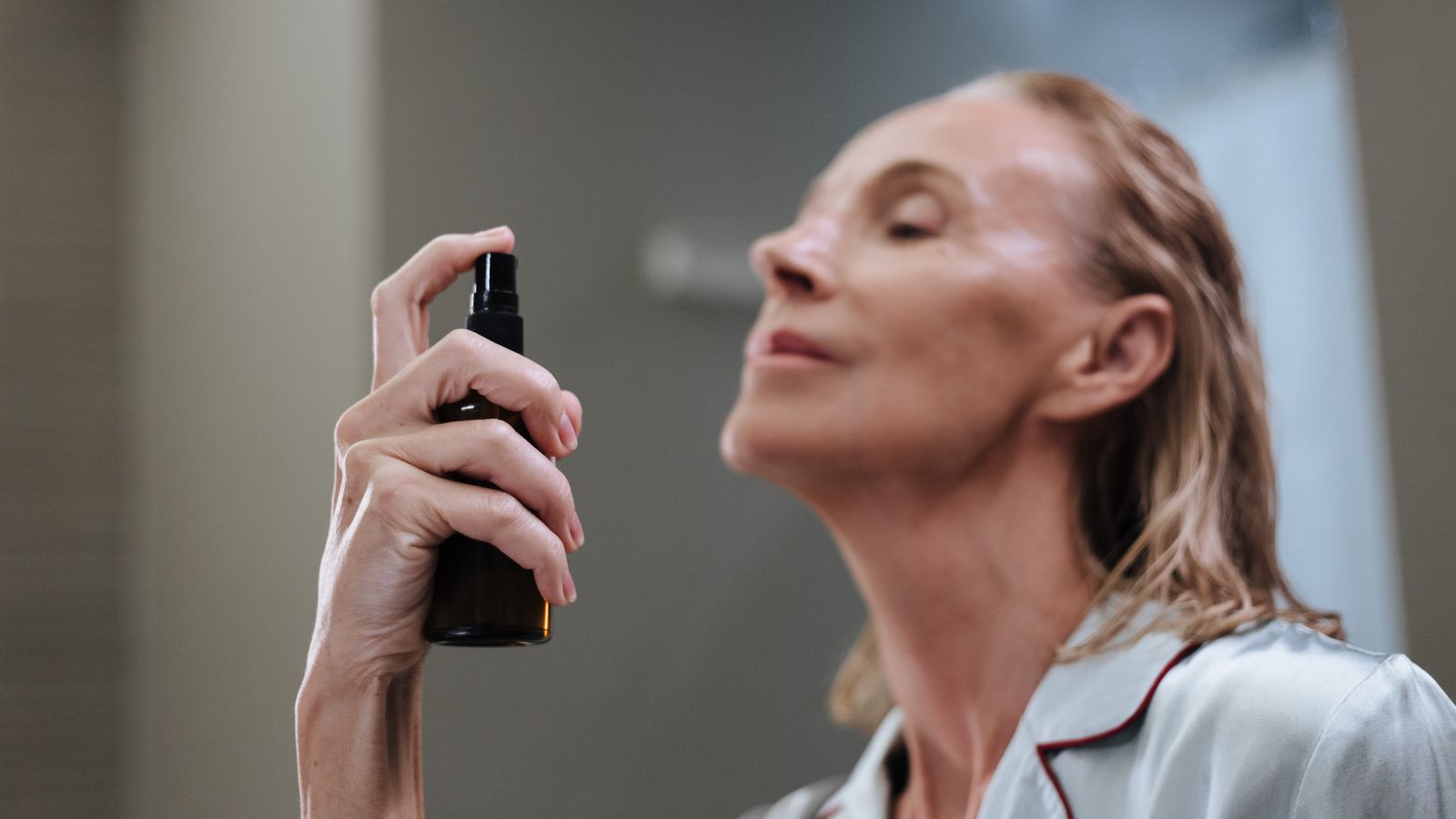
Photo: Pexels
Key takeaways
- Hyaluronic acid is a humectant: it draws water into the outer layer of the skin, making it look smoother and plumper for a while.
- Topical hyaluronic acid does not replace lost collagen or fill wrinkles the way injected fillers do.
- Apply it to damp skin and seal it with a moisturiser, especially in dry climates.
- It is very well tolerated and suits almost all skin types.
Hyaluronic acid (HA) is a sugar molecule your body makes naturally. It is found throughout the skin, where it helps hold water — and the amount in the skin declines with age and sun damage.1 That is the logic behind putting it in skincare. But putting HA on the skin is not the same as having more of it in the skin.
What it does
On the skin, hyaluronic acid acts as a humectant: it attracts water and holds it in the outer layer. This makes skin feel softer and look smoother and plumper, and fine dehydration lines can look less obvious.3 The effect is real, but temporary — it lasts as long as the skin stays hydrated.
What it does not do
- It does not fill wrinkles. Injected HA fillers sit deep in the skin; serums stay near the surface.
- It does not rebuild collagen. For that, look at retinoids and daily sunscreen. See retinol vs. tretinoin.
- Most HA molecules are too large to penetrate deeply. Some brands use “low molecular weight” HA, which may reach a little further; one study found creams with lower molecular weights improved wrinkle depth and elasticity over eight weeks, but research is limited.2
Think of hyaluronic acid as a drink of water for the surface of your skin — pleasant and useful, but not a transformation.
The “it dries my skin” problem
Because HA pulls water from wherever it can, in a very dry environment it may draw moisture from deeper in the skin and let it evaporate. The fix is simple:
- Apply HA to damp skin — after cleansing or a mist.
- Follow with a moisturiser that contains emollients and occlusives to seal the water in.
Who it suits
Almost everyone. HA is gentle and rarely causes reactions, making it a good choice for sensitive skin, for use alongside retinoids, and during pregnancy. If your skin is dry and tight, also read how to repair your skin barrier.
Is an expensive HA serum worth it?
Not necessarily. Many affordable serums and moisturisers contain HA alongside glycerin, which is an equally effective — and cheaper — humectant. See do expensive moisturisers work better?
Sources
- Papakonstantinou E, et al. Hyaluronic acid: a key molecule in skin aging. Dermato-Endocrinology. 2012;4(3):253–258.
- Pavicic T, et al. Efficacy of cream-based novel formulations of hyaluronic acid of different molecular weights in anti-wrinkle treatment. Journal of Drugs in Dermatology. 2011;10(9):990–1000.
- Draelos ZD. The science behind skin care: moisturizers. Journal of Cosmetic Dermatology. 2018;17(2):138–144.